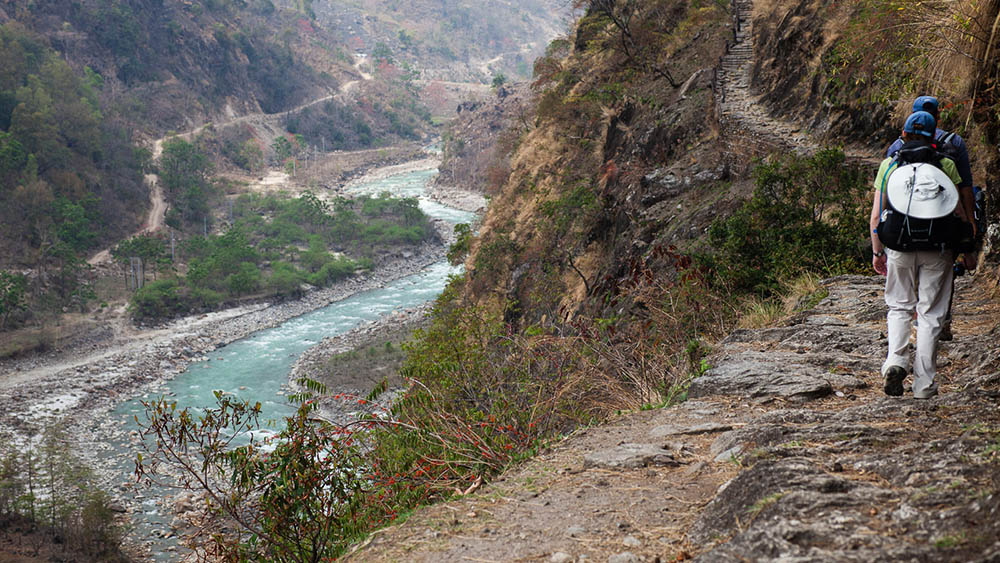
One of the best trek in Nepal-Beyond your imagination
Duration
14 to 16 days
Activity
Trekking
Max. Altitude
4,730 meters (15,518 feet)
Difficulty
Strenuous Trek
The Kanchenjunga Base Camp Trek is considered a strenuous and demanding adventure, best suited for experienced trekkers or those with strong physical fitness. The trail reaches altitudes above 5,100 meters, with long daily hikes through steep, rugged terrain and remote valleys. Unlike more popular routes in Nepal, Kanchenjunga offers limited infrastructure, unpredictable weather, and minimal access to emergency services, making self-sufficiency and proper acclimatization essential. While it’s not a moderate trek, its challenges are matched by breathtaking scenery and a deep sense of solitude, making it a truly rewarding experience for those prepared to take it on.
Starts
Kathmandu
Ends
Kathmandu
Group Size
1 +++ Pax
Best Season
March to May / September to November
Group Discounts
PRICE
1 PAXUS$2,300 p/p
2-5 PAXUS$1900 p/p
5+ PAXUS$1600 p/p
Price based on group size and dates*
US$ 2,300 p/pAll Inclusive Price
Itinerary
What Included / Excluded
Dates & Availability
TRIP OVERVIEW
What Is the Kanchenjunga Base Camp Trek?
The Kanchenjunga Base Camp Trek is one of Nepal’s most remote and awe-inspiring adventures, leading trekkers deep into the eastern Himalayas to the base of Mount Kanchenjunga, the world’s third-highest peak at 8,586 meters. Unlike the popular Everest and Annapurna routes, this trek offers solitude, raw natural beauty, and rich cultural encounters with communities like the Limbu and Rai. With dramatic landscapes, high mountain passes, and limited infrastructure, it’s a challenging journey best suited for experienced trekkers seeking a truly wild and unforgettable Himalayan experience.
Highlight
The Kanchenjunga Base CampTrek is a remote and rewarding adventure in eastern Nepal, offering stunning views of the world’s third-highest peak, Mount Kanchenjunga (8,586m). This off-the-beaten-path journey features peaceful trails, dramatic landscapes, and rich cultural encounters with Limbu, Rai, and Tibetan communities. Trekkers can explore both the north and south base camps—Pangpema and Oktang—for panoramic mountain vistas and glacial beauty. Along the way, you may spot rare wildlife like red pandas and snow leopards. Ideal in spring and autumn, this trek requires special permits and a registered guide, making it a truly immersive Himalayan experience.
7 Reasons to Choose the Kanchenjunga Base Camp Trek
Visit Both North and South Base Camps Unlike most treks, this route allows you to reach both Pangpema (North Base Camp) and Oktang (South Base Camp), giving you panoramic views of Kanchenjunga’s towering peaks and glaciers from multiple angles.
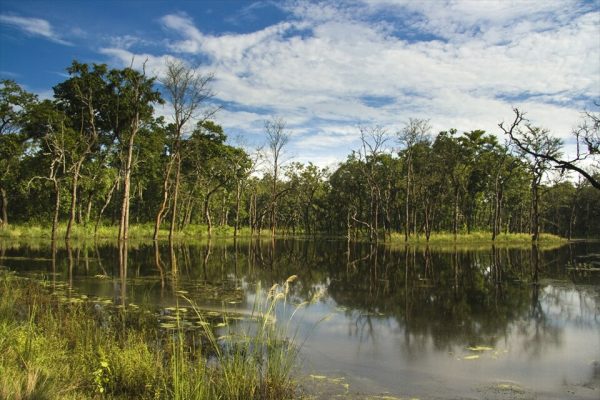
Experience Rich Biodiversity in a Protected Area The Kanchenjunga Conservation Area is home to rare wildlife like snow leopards, red pandas, and Himalayan black bears, along with diverse flora including rhododendrons and alpine meadows.
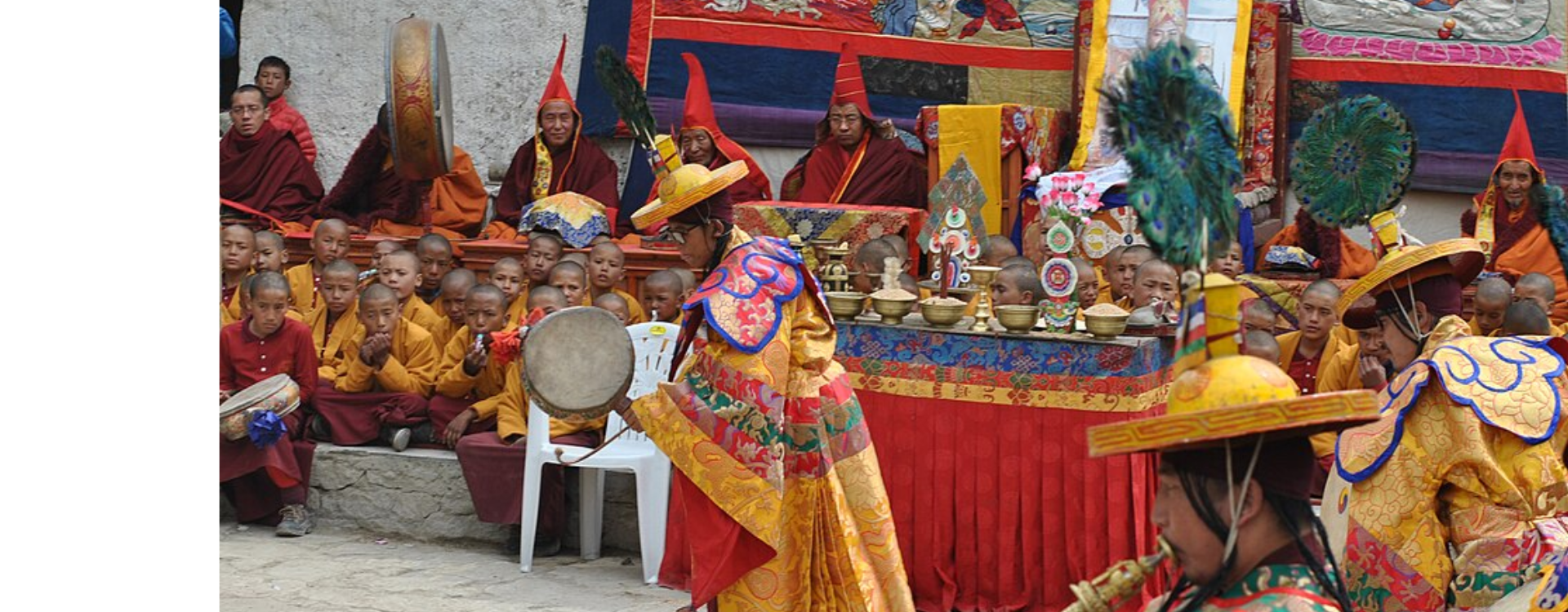
Immerse Yourself in Authentic Local Cultures The trail passes through remote villages inhabited by Limbu, Rai, Sherpa, and Tibetan communities, offering a deep cultural experience through local food, traditions, and hospitality.
Enjoy Peaceful Trails with Fewer Trekkers Compared to Everest or Annapurna, Kanchenjunga sees far fewer visitors, making it ideal for those seeking solitude, quiet trails, and a more personal connection with nature.
Challenge Yourself with Rugged Terrain and High Passes This trek is physically demanding, with long walking days, steep ascents, and high-altitude passes—perfect for experienced trekkers looking for a true adventure.
Witness Breathtaking Views of Himalayan Giants From the base camps and high ridges, you’ll see Kanchenjunga’s five summits, along with neighboring peaks like Jannu and Kabru, framed by dramatic skies and glacial valleys.
Best Time to Go
The best time to trek to Kanchenjunga Base Camp is during spring (March to May) and autumn (September to November). These seasons offer clear skies, stable weather, and excellent visibility of the mountains. Spring brings blooming rhododendrons and vibrant landscapes, while autumn offers crisp air and post-monsoon freshness—ideal conditions for a safe and scenic high-altitude trek. These seasons not only provide the best chances for clear mountain views and safe trekking conditions, but also allow you to fully enjoy the cultural richness and natural beauty of the Kanchenjunga region without the challenges posed by extreme weather.
Essentials
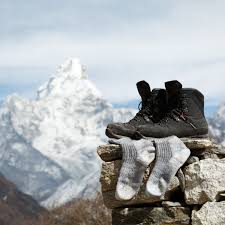
Trekking to Kanchenjunga Base Camp requires essential gear due to its remote and challenging nature. Key items include sturdy hiking boots, layered clothing for changing temperatures, a warm sleeping bag, and a reliable backpack. A first aid kit, water purification tablets, and altitude sickness medication are also important. Since the area is restricted, trekkers must carry proper permits and travel with a licensed guide.
If you’re interested in a shorter trek with amazing views, the [Ghorepani Poon hill Trek] is a great option.
Before starting your trek, it’s essential to stay informed about the weather conditions at high altitude. Kanchenjunga Base Camp sits at 5,143 meters, where the climate can change rapidly. Get accurate, real-time and 10-15 days weather forecasts including temperature, wind speed, and snowfall updates at mountain forecast.
For a longer circuit trek in the Annapurna region, consider the [Annapurna Circuit Trek].
Trek briefing and permit preparation. 🛏️ Overnight in Kathmandu.
DAYS 2
Fly to Bhadrapur and Drive to Taplejung
Max. Altitude: 1820 mBreakfast / Lunch / DinnerTea house
Morning flight to Bhadrapur (45 min).
Drive through Ilam tea gardens to Taplejung (~8 hrs). 🛏️ Overnight in Taplejung.
DAYS 3
Trek from Taplejung to Mitlung
Max. Altitude: 1820 mBreakfast / Lunch / DinnerTea house
Trek: 5–6 hrs, mostly downhill through lush farmlands and Tamor River valley.
Pass Limbu villages and terraced fields.
A gentle start with beautiful scenery and local culture. 🛏️ Overnight in Mitlung.
DAYS 4
Mitlung to Chiruwa
Max. Altitude: 1270 mBreakfast / Lunch / DinnerTea house
Trek: 6 hrs through paddy fields, cardamom gardens, and suspension bridges.
The trail follows the Tamor River. 🛏️ Overnight in Chirwa.
DAYS 5
Chiruwa to Sukathum
Max. Altitude: 1580 mBreakfast / Lunch / DinnerTea house
Trek: 5–6 hrs; gradual climb through dense forest and along narrow gorges.
You’ll officially enter Kanchenjunga Conservation Area. 🛏️ Overnight in Sukathum.
DAYS 6
Sukathum to Amjilosa
Max. Altitude: 2510 mBreakfast / Lunch / DinnerTea house
Trek: 6–7 hrs; steep uphill section through bamboo and rhododendron forests.
Beautiful waterfalls and wild scenery. 🛏️ Overnight in Amjilosa.
DAYS 7
Amojilosa to Gyabla
Max. Altitude: 2730 mBreakfast / Lunch / DinnerTea house
Trek: 5–6 hrs; gradual ascent through oak and rhododendron forests.
Pass yak pastures and small hamlets. 🛏️ Overnight in Gyabla.
DAYS 8
Gyabla to Ghunsa
Max. Altitude: 3595 mBreakfast / Lunch / DinnerTea house
Trek: 5 hrs, gentle walk to the Tibetan village of Ghunsa.
Houses with wooden roofs, prayer flags, and a peaceful setting. 🛏️ Overnight in Ghunsa
DAYS 9
Acclimatization day at Ghunsa
Max. Altitude: 3595 mBreakfast / Lunch / DinnerTea house
Rest and altitude adaptation day.
Optional short hike to a nearby ridge (~4,100 m) or monastery visit. 🛏️ Overnight in Ghunsa.
DAYS 10
Ghunsa to Kambanchen
Max. Altitude: 4050 mBreakfast / Lunch / DinnerTea house
Trek: 6 hrs following Ghunsa Khola river valley.
Stunning views of Mt. Jannu (7,710 m) and other peaks. 🛏️ Overnight in Khangpachen.
DAYS 11
Kambachen to Lhonak
Max. Altitude: 4785Breakfast / Lunch / DinnerTea house
Trek: 6–7 hrs on moraine and rocky terrain.
Wide open landscapes with snow-capped views. 🛏️ Overnight in Lhonak.
DAYS 12
day hike to Kanchenjunga North base camp and ack to Lhonak
Max. Altitude: 5143 mBreakfast / Lunch / DinnerTea house
Trek: 7–8 hrs round trip.
Enjoy panoramic views of Kanchenjunga (8,586 m), Wedge Peak, and Tent Peak. 🛏️ Overnight in Lhonak.
DAYS 13
Lhonak to Ghunsa
Max. Altitude: 4785 mBreakfast / Lunch / DinnerTea house
Trek: 6–7 hrs descending through Khangpachen. 🛏️ Overnight in Ghunsa.
DAYS 14
Ghunsa to Amojilosa
Max. Altitude: 3595 mBreakfast / Lunch / DinnerTea house
Trek: 6 hrs downhill through forests and streams. 🛏️ Overnight in Amjilosa.
DAYS 15
Amjilosa to Taplejung
Max. Altitude: 2730Breakfast / Lunch / DinnerTea house
Trek early morning to Sukathum, then drive to Bhadrapur (~8 hrs). 🛏️ Overnight in Bhadrapur.
DAYS 16
Drive to Bhadrapur and fly back to kathmandu
Max. Altitude: 1820Breakfast / Lunch / DinnerTea house
Flight: 45 minutes to Kathmandu.
Connect with your international flight or stay one more night in the city. ✈️ End of Kanchenjunga Base Camp Trek (TIA–TIA).
Itinerary Note
Our standard itinerary may vary due to unforeseen circumstances like flight delays, weather changes, or health concerns. We advise arriving a day early to rest and prepare, with extra buffer days for international flights. The itinerary serves as a guideline and can be adjusted based on client preferences, fitness levels, and ground realities. If you're not satisfied or have an alternative plan please feel free to discuss it with us By Clicking :- ASK QUESTION or CUSTOMIZE YOUR TRIP.
All airport transfers via tourist vehicle, including domestic flights.
Accommodation in Kathmandu for 2 nights in a 3-star hotel with twin-sharing/double rooms, including breakfast.
All meals (breakfast, lunch, and dinner) during the trek and in Kathmandu
Experienced, first-aid trained, government-licensed English-speaking trekking guide from Company
Permits for Annapurna Conservation Area Permit (ACAP) and TIMS (Trekkers’ Information Management System).
Porter services during the trek (1 porter for every 2 clients) to carry luggage.
Wages, accommodation, meals, gear, insurance, and medications for all trekking staff.
A farewell dinner on the last night in Nepal.
All administrative expenses and applicable government taxes.
Cost Excludes
International flight tickets and airport departure taxes
Beverages, including bottled and boiled water
Travel insurance, including emergency evacuation coverage for high altitudes
Tips for trekking staff and drivers
Nepal Entry Visa (Visa can be easily obtained upon arrival at Tribhuvan International Airport in Kathmandu, with fees of USD 50 for a 30-day visa and USD 125 for a 90-day visa)
Personal trekking gear and equipment
Any additional expenses not mentioned in the “Price Includes” section
Flight from Kathmandu to Bhatrapur and vice versa
Join Fixed Departure
Fixed Departure Note
Join our group trek with a fixed departure date, or choose your own date with our Private Trip option, which offers daily availability.
Fixed Departure Status:
Guaranteed: The trip will definitely run on this date.
Available: The trip will run once the minimum group size is met.
Limited: Only a few seats left—book soon!
Closed: No seats left for this group. Please consider a private trip.


 Moderate Trek