Ultimate Everest 3 Pass Adventure

Journey Across the Roof of the World
Group Discounts

PRICE PER PERSON

  • 1 PAX US$$2150
  • 2 PAX US$$2000
  • 3 PAX US$$1900
  • 4 PAX US$$1800
Price based on group size and dates* US$ $2150 All Inclusive Price

Check Availability
  • Highlights
  • Itinerary
  • What Included / Excluded
  • Dates & Availability
  • Photos & Videos
  • Additional Information
  • FAQ's

TRIP HIGHLIGHTS

  • Renjo La Pass (5,360m)
    – Description: Renjo La Pass is a challenging climb that rewards trekkers with stunning panoramic views of some of the world’s highest peaks, including Everest, Lhotse, Makalu, and Cho Oyu. The pass is known for its breathtaking scenery and the sense of achievement it brings to those who conquer it. The route to the pass takes you through remote and less-traveled areas, providing a sense of solitude and adventure.
  • Cho La Pass (5,420m)
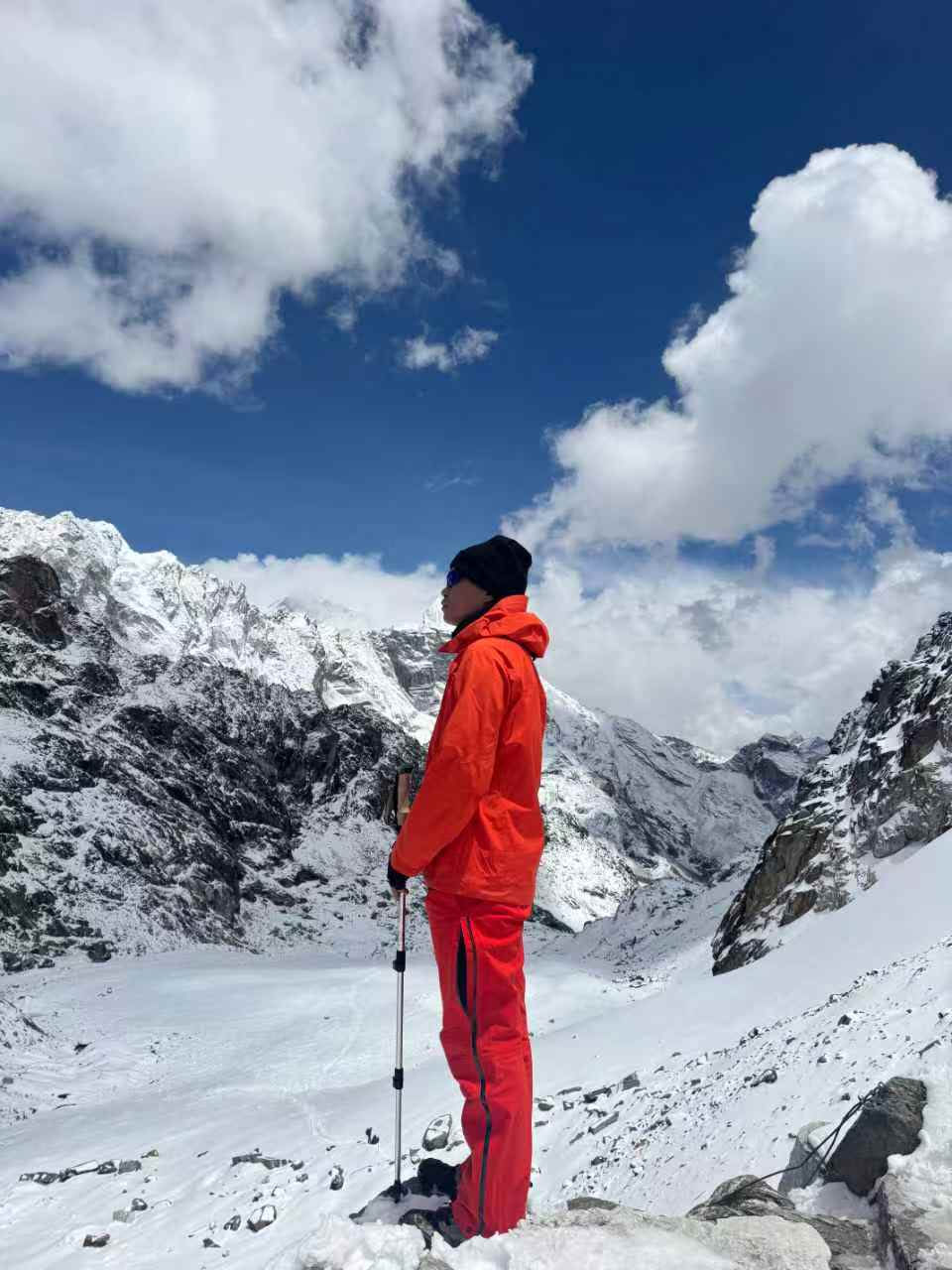
    – Description: Cho La Pass is a glaciated pass that connects the Gokyo Valley to the Everest Base Camp trail. The ascent involves navigating icy terrain and sometimes using ropes, adding to the excitement and challenge. From the top, trekkers are treated to views of Ama Dablam and other towering peaks. The pass itself is a testament to the rugged beauty of the Himalayas and offers a true alpine experience.
  • Kongma La Pass (5,535m)
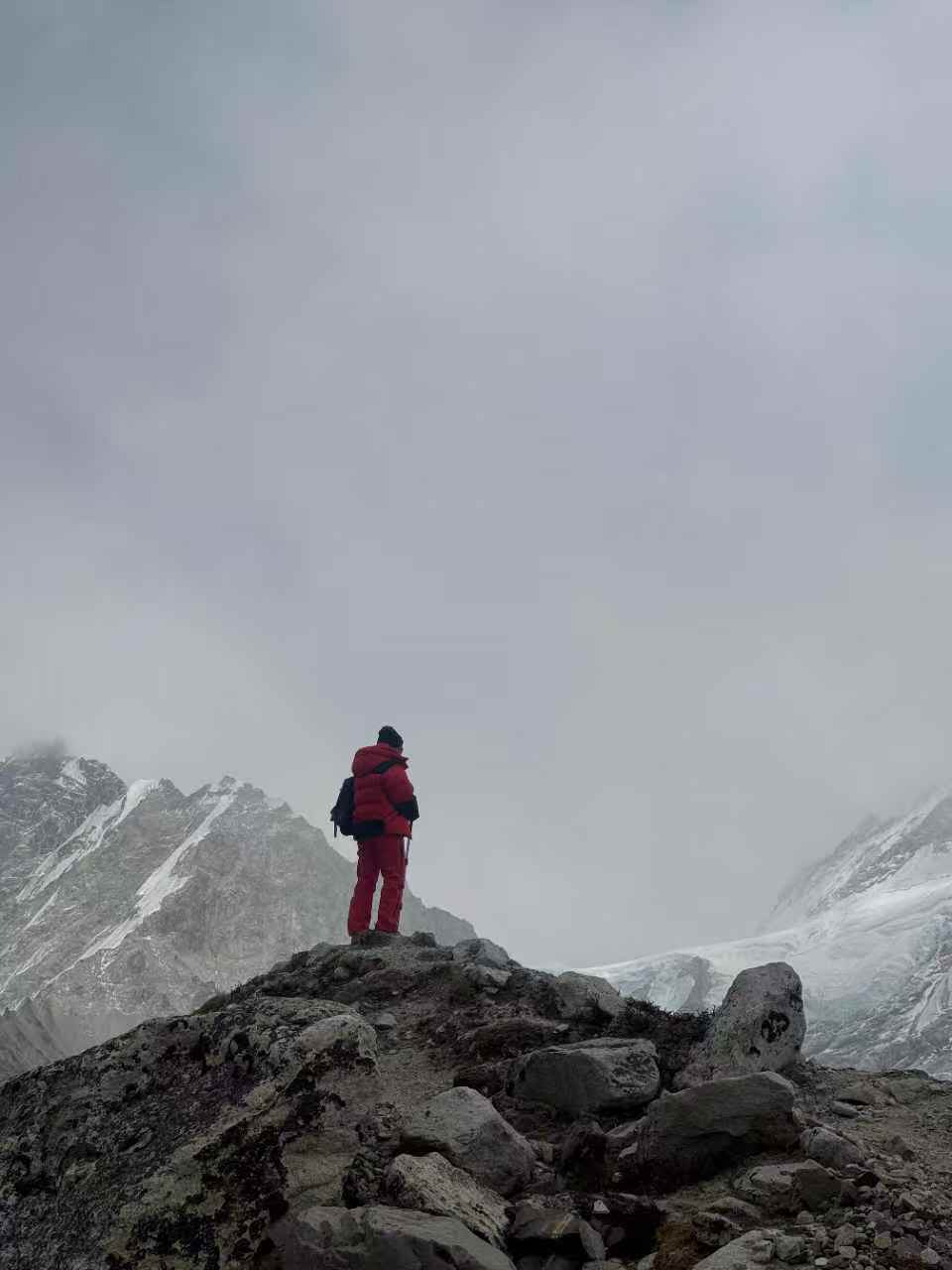
    – Description: As the highest of the three passes, Kongma La is a demanding climb that requires physical endurance and mental determination. The reward for crossing this pass includes spectacular views of the Khumbu Glacier, Nuptse, and other surrounding peaks. The ascent is steep and often involves walking over loose scree, but the sense of accomplishment and the vistas from the top make it a highlight of the trek.
  • Gokyo Lakes
    – Description: The Gokyo Lakes are a series of six glacial lakes, each more beautiful than the last. The turquoise waters, set against the backdrop of snow-capped peaks, create a serene and picturesque landscape. The lakes are considered sacred by both Hindus and Buddhists, adding a spiritual dimension to their natural beauty. Trekkers often take a day to explore the lakes and enjoy the tranquility they offer.
  • Gokyo Ri (5,357m)
    – Description: Climbing Gokyo Ri is a must for trekkers in the Gokyo Valley. The ascent is steep but relatively short, and the views from the top are some of the best in the Everest region. From the summit, you can see four of the world’s highest peaks: Everest, Lhotse, Makalu, and Cho Oyu. The sight of these giants, along with the stunning view of the Ngozumpa Glacier, makes the effort worthwhile.
  • Kala Patthar (5,545m)
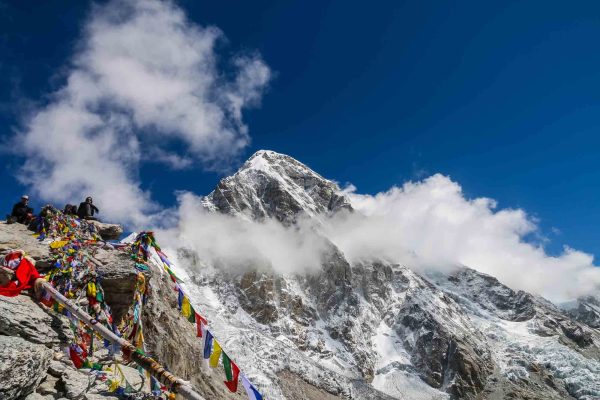
    – Description: Kala Patthar is renowned for offering the best close-up views of Mount Everest. The climb to the summit is challenging, especially in the early morning or late afternoon when trekkers often make the ascent to catch the best light. The views of Everest, Nuptse, and the surrounding peaks are breathtaking, particularly at sunrise or sunset when the mountains are bathed in golden light.
  • Everest Base Camp (5,364m)
    – Description: Reaching Everest Base Camp is a significant achievement and a highlight for many trekkers. It is the starting point for climbers aiming to summit Everest and offers a unique atmosphere filled with tents, equipment, and the excitement of mountaineering. The views of the Khumbu Icefall and the surrounding peaks are impressive, making it a memorable experience.
  • Namche Bazaar
    – Description: Namche Bazaar is the bustling heart of the Khumbu region. This vibrant market town is a hub for trekkers and climbers, offering a range of amenities including shops, cafes, and lodges. It’s an excellent place to acclimatize, learn about Sherpa culture, and enjoy the lively atmosphere. The town also offers stunning views of Kongde Ri and Thamserku.
  • Tengboche Monastery
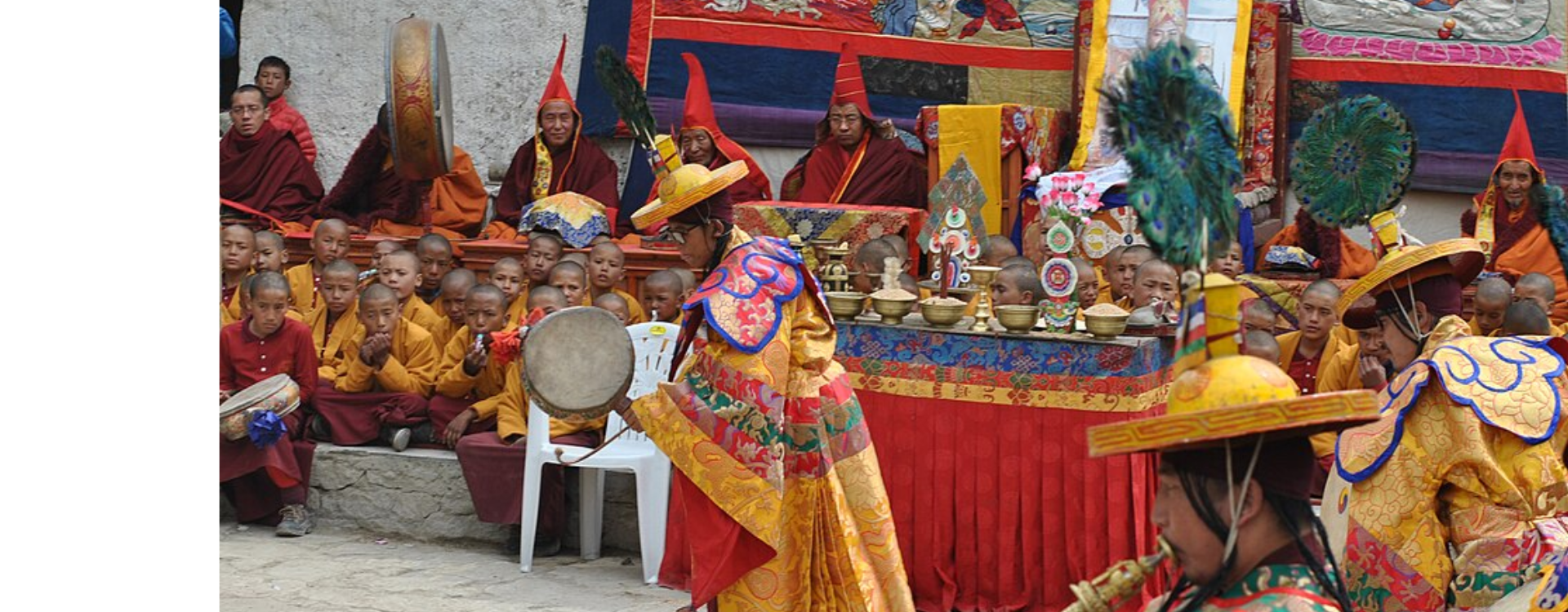
    – Description: Tengboche Monastery is the largest and most important monastery in the Khumbu region. It is beautifully situated with a backdrop of Ama Dablam, making it a scenic and serene spot. The monastery is a center of Buddhist learning and offers a glimpse into the spiritual life of the local people. The annual Mani Rimdu festival, held here, is a significant cultural event.
  •  Sagarmatha National Park
    – Description: The trek passes through Sagarmatha National Park, a UNESCO World Heritage site known for its stunning natural beauty and biodiversity. The park is home to rare wildlife such as the snow leopard and the Himalayan tahr, as well as a variety of bird species. The lush forests, rhododendron blooms, and dramatic mountain landscapes make it a highlight of the trek.

TRIP OVERVIEW

The Ultimate Everest 3 passes trekking adventure is a challenging and rewarding trek in Nepal that takes you through the heart of the Khumbu region of the Himalayas. The trek combines the classic Everest Base Camp trek with three high mountain passes, the Kongma La Pass, Cho La Pass, and Renjo La Pass, making it an adventurous and unforgettable experience.

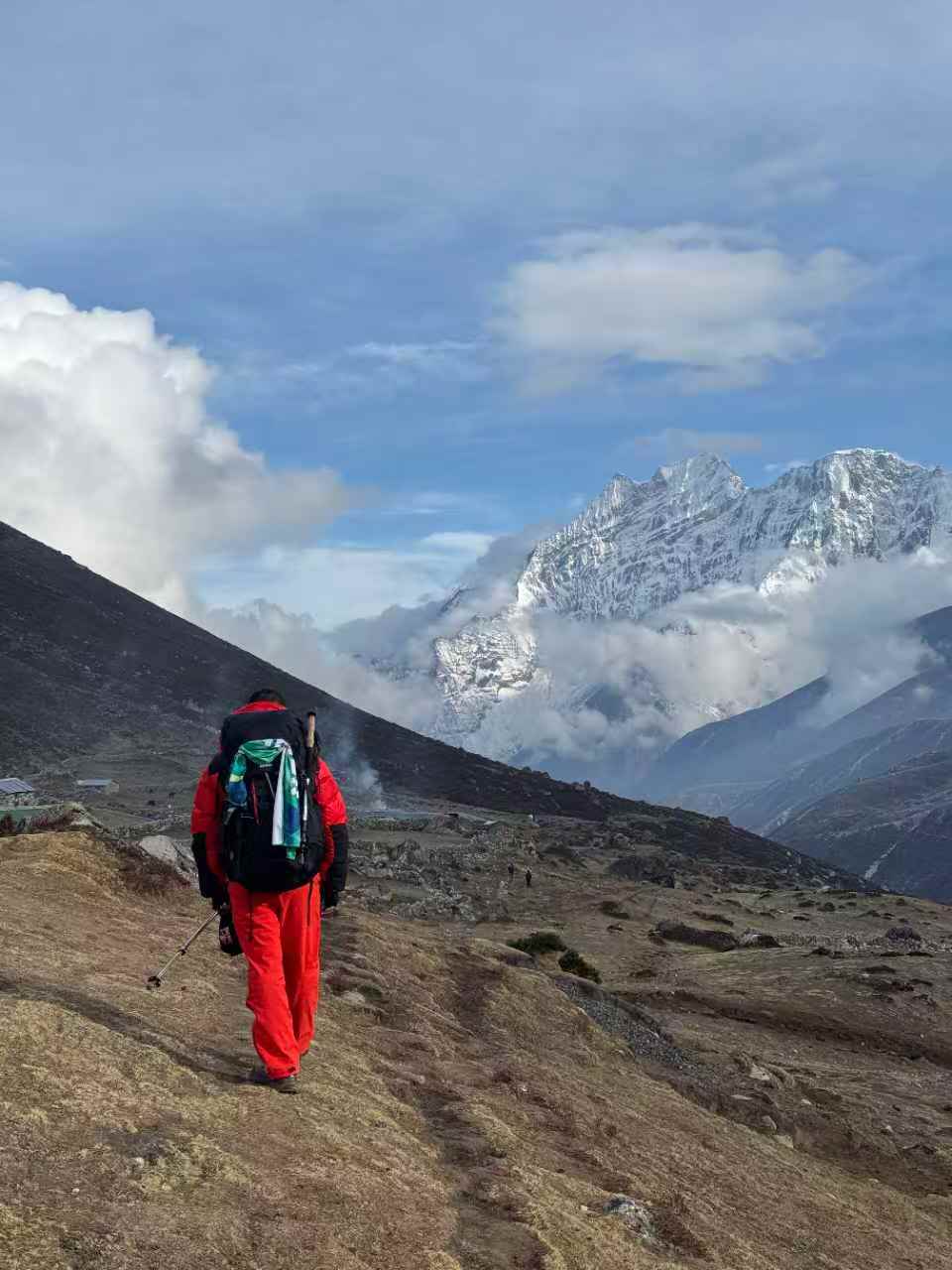
The trek starts in Lukla, where you will fly from Kathmandu. From Lukla, the trail gradually ascends to the Sherpa village of Namche Bazaar, which is the largest town in the Everest region. From Namche, the trail continues to Tengboche, which is home to the famous Tengboche Monastery. The trail then descends to Dingboche, where you will acclimate to the high altitude before continuing to the famous trekking destination of Gorakshep.

From Gorakshep, you will hike to the base camp of Mount Everest, which is located at an altitude of 5,364 meters. The trail then continues to Kalapatthar, a viewpoint located at an altitude of 5, 550 meters, which offers breathtaking views of Mount Everest and the surrounding peaks.

The real adventure starts after Kalapatthar, as you cross the three high mountain passes. The first pass is the Kongma La Pass, which is located at an altitude of 5,535 meters. The pass offers stunning views of the surrounding peaks, including Mount Everest, Lhotse, and Makalu.

The next pass is the Cho La Pass, which is located at an altitude of 5,420 meters. The pass is known for its challenging terrain and offers panoramic views of the surrounding peaks. The final pass is the Renjo La Pass, which is located at an altitude of 5,345 meters. The pass offers breathtaking views of the surrounding peaks and the Gokyo Valley.

The trek then descends to Lukla, where you will fly back to Kathmandu.

The Everest Base Camp Three High Passes Trek is a physically demanding trek, as it involves daily ascents and descents ranging from 500-1,000 meters, and crossing high mountain passes. The trek takes around 21-25 days and can be done from September to November and March to May, with the best time being from October to November.

Accommodation during the trek is available in teahouses, which offer basic facilities and meals. It is recommended to carry warm clothing, as temperatures can drop significantly at night, especially at higher elevations.

Overall, the Everest Base Camp Three High Passes Trek is an unforgettable experience for those who love adventure and are in good physical shape. The trek offers a chance to witness the magnificent Mount Everest, cross high mountain passes, and immerse in the beauty of the Himalayas, making it a once-in-a-lifetime experience.

For those who want a slightly easier alternative, our [Everest Base Camp Trek] offers a classic Himalayan experience.

Before you begin your Everest 3 Passes journey, it’s helpful to review official travel info, permit guidelines, and seasonal tips. You can find up-to-date details on the Nepal Tourism Board (NTB) website — Nepal’s official travel resource.
Itinerary

Expand All
DAYS
1

Arrival in kathmandu

Max. Altitude: (1,400m) Breakfast / Lunch / Dinner 2/3 Stars Hotel 1 Hour road drive from airport to hotel
DAYS
2
Max. Altitude: (2,800 meters / 9,186 feet) Breakfast / Lunch / Dinner Tea house / Lodge 3-4 Hours Walk
DAYS
3
Max. Altitude: 3,440m Breakfast / Lunch / Dinner Tea house / Lodge 6-7 Hours Walk
DAYS
4
Max. Altitude: 3,880m Breakfast / Lunch / Dinner Tea house / Lodge 3-4 Hours Walk
DAYS
5
Max. Altitude: 3,800 m Breakfast / Lunch / Dinner Tea house / Lodge - 2/3 Stars Hotel 4-5 Hours Walk
DAYS
6
Max. Altitude: 4,380 meters Breakfast / Lunch / Dinner Tea house / Lodge 4-5 Hours Walk
DAYS
7
Max. Altitude: 5,360 meters (17,585 feet) Breakfast / Lunch / Dinner Tea house / Lodge 3-4 Hours Walk
DAYS
8
Max. Altitude: 5,357 meters (17,575 feet) Breakfast / Lunch / Dinner Tea house / Lodge 4-5 hours (optional hike)
DAYS
9
Max. Altitude: 4,700 meters (15,420 feet) Breakfast / Lunch / Dinner Tea house / Lodge 4-5 Hours Walk
DAYS
10
Max. Altitude: 5,420 meters (17,782 feet Breakfast / Lunch / Dinner Tea house / Lodge 6-7 Hours Walk
DAYS
11
Max. Altitude: 4,940 meters (16,207 feet) Breakfast / Lunch / Dinner Tea house / Lodge 3-4 Horurs Walk
DAYS
12
Max. Altitude: 5,364 meters (17,598 feet) Breakfast / Lunch / Dinner Tea house / Lodge 6-7 Hours Walk
DAYS
13
Max. Altitude: 5,545 meters (18,192 feet) Breakfast / Lunch / Dinner Tea house / Lodge 2-3 Hours Walk
DAYS
14
Max. Altitude: 5,535 meters (18,159 feet) Breakfast / Lunch / Dinner Tea house / Lodge 6-7 Hours Walk
DAYS
15
Max. Altitude: 3,860 meters (12,664 feet) Breakfast / Lunch / Dinner Tea house / Lodge 5-6 Hours Walk
DAYS
16
Max. Altitude: 3,440 meters (11,286 feet) Breakfast / Lunch / Dinner Tea house / Lodge 5-6 Hours Walk
DAYS
17
Max. Altitude: 2,860 meters (9,383 feet) Breakfast / Lunch / Dinner Tea house / Lodge 6-7 Hours Walk
DAYS
18
Max. Altitude: 2,860 meters (9,383 feet) Breakfast / Lunch / Dinner 2/3 Star Hotel 30-40 Min Flight

Itinerary Note

Our standard itinerary may vary due to unforeseen circumstances like flight delays, weather changes, or health concerns. We advise arriving a day early to rest and prepare, with extra buffer days for international flights. The itinerary serves as a guideline and can be adjusted based on client preferences, fitness levels, and ground realities. If you're not satisfied or have an alternative plan please feel free to discuss it with us By Clicking :- ASK QUESTION or CUSTOMIZE YOUR TRIP.

What's Included / Excluded

Cost Incluldes

  • All airport transfers via tourist vehicle, including domestic flights.
  • Accommodation in Kathmandu for 2 nights in a 3-star hotel with twin-sharing/double rooms, including breakfast.
  • Twin-sharing guesthouse accommodation with attached toilets during the 11-night trek in the Everest Region (Lukla, Phakding, and Namche).
  • All meals (breakfast, lunch, and dinner) during the trek
  • Experienced, first-aid trained, government-licensed English-speaking trekking guide from Company
  • Permits for Sagarmatha/Everest National Park and TIMS (Trekkers’ Information Management System).
  • Porter services during the trek (1 porter for every 2 clients) to carry luggage.
  • Wages, accommodation, meals, gear, insurance, and medications for all trekking staff.
  • Round-trip airfare between Kathmandu/Manthali and Lukla.
  • A farewell dinner on the last night in Nepal.
  • All administrative expenses and applicable government taxes.

Cost Excludes

  • Lunch and dinner expenses in Kathmandu
  • International flight tickets and airport departure taxes
  • Beverages, including bottled and boiled water
  • Travel insurance, including emergency evacuation coverage for high altitudes
  • Tips for trekking staff and drivers
  • Nepal Entry Visa (Visa can be easily obtained upon arrival at Tribhuvan International Airport in Kathmandu, with fees of USD 50 for a 30-day visa and USD 125 for a 90-day visa)
  • Personal trekking gear and equipment
  • Any additional expenses not mentioned in the “Price Includes” section

Join Fixed Departure

Fixed Departure Note

Join our group trek with a fixed departure date, or choose your own date with our Private Trip option, which offers daily availability.

Fixed Departure Status:

Guaranteed: The trip will definitely run on this date.
Available: The trip will run once the minimum group size is met.
Limited: Only a few seats left—book soon!
Closed: No seats left for this group. Please consider a private trip.

PHOTO GALLERY

Related Information

The Everest 3 Pass Trek is considered one of the most challenging treks in the Everest region and requires a high level of physical fitness, endurance, and mental determination. Here is a detailed description of the trek’s difficulty:

  • High Altitude
    The trek reaches altitudes above 5,500 meters (18,000 feet), which can cause altitude sickness. Proper acclimatization and gradual ascent are crucial to minimize the risks. Symptoms of altitude sickness include headaches, nausea, dizziness, and shortness of breath.
  • Challenging Passes

Renjo La Pass (5,360m): A steep and demanding climb with sections of loose scree and snow. The ascent is strenuous, and the thin air adds to the difficulty.

Cho La Pass (5,420m): This pass involves crossing a glacier, which requires careful navigation over icy and potentially slippery terrain. The climb is steep and can be physically taxing.

Kongma La Pass (5,535m): The highest and most challenging of the three passes. The ascent is steep and long, often requiring trekking over loose rocks and scree. The descent can also be tough on the knees and requires careful footing.

  • Long Trekking Days
    The trek involves long days of walking, often 6-8 hours or more. Some days may require up to 10 hours of trekking, especially when crossing the high passes. The long hours can be exhausting and require significant stamina and perseverance.
  • Varied Terrain
    The trek covers a range of terrains, including rocky paths, steep ascents and descents, glaciated trails, and sometimes snowy or icy sections. Trekking poles and good-quality trekking boots are essential for navigating these diverse landscapes.
  • Remote and Isolated Areas
    The trek takes you through remote regions with limited access to medical facilities and other amenities. Trekkers need to be self-sufficient and carry essential supplies, including a first-aid kit, enough food, and water purification tablets.
  • Weather Conditions
    Weather in the Everest region can be unpredictable and harsh, with cold temperatures, strong winds, and occasional snowfall. Trekkers must be prepared for varying conditions and carry appropriate gear for cold and wet weather.
  • Physical Fitness
    A high level of physical fitness is required to complete the trek. Regular cardiovascular training, strength training, and endurance exercises are recommended in preparation. The trek demands not only physical strength but also the ability to trek continuously for multiple days at high altitudes.
  • Mental Toughness
    The mental challenge of the trek is significant. Long days, high altitudes, and physical strain can take a toll on mental stamina. Trekkers need to stay motivated, positive, and mentally resilient to overcome the obstacles they encounter.

In summary, the Everest 3 Pass Trek is a demanding and strenuous trek that requires thorough preparation, both physically and mentally. Proper acclimatization, a good fitness level, the right gear, and a positive mindset are essential for successfully completing this challenging adventure.

FAQ's

Equipment for Everest Three High Passes Trek

We Accept nepal trekking online booking payments