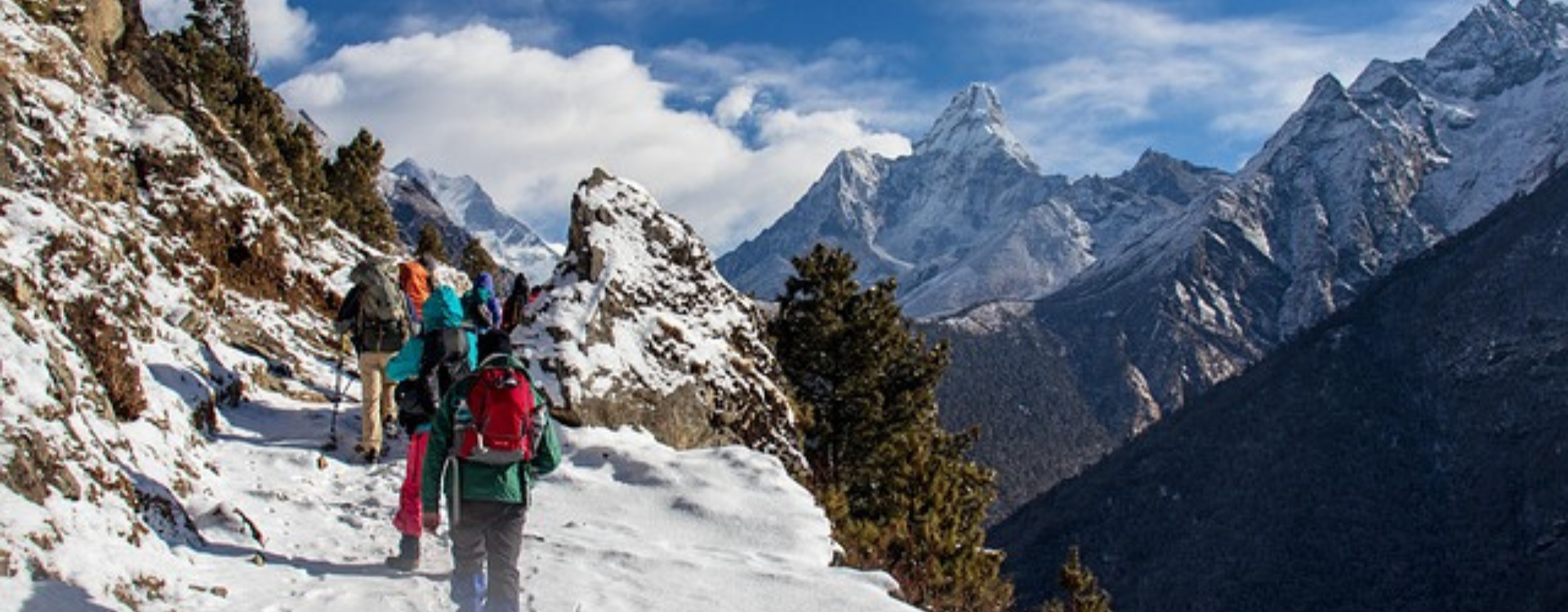
Trekking in Nepal is one of the most rewarding and life-changing adventures you can experience. With its towering Himalayan peaks, culturally rich villages, and stunning natural landscapes, it’s no wonder that thousands of trekkers from around the world flock to Nepal every year. However, the excitement of planning your dream trek can sometimes lead to critical mistakes that may affect your overall experience.
Whether you are a first-time visitor or a seasoned adventurer, avoiding common pitfalls will help ensure a safe, enjoyable, and memorable journey. In this blog, we’ll explore the Top 7 Critical Mistakes to Avoid When Planning Your Nepal Trek and offer practical tips on how to prepare like a pro.
Table of Contents
1. Underestimating the Altitude
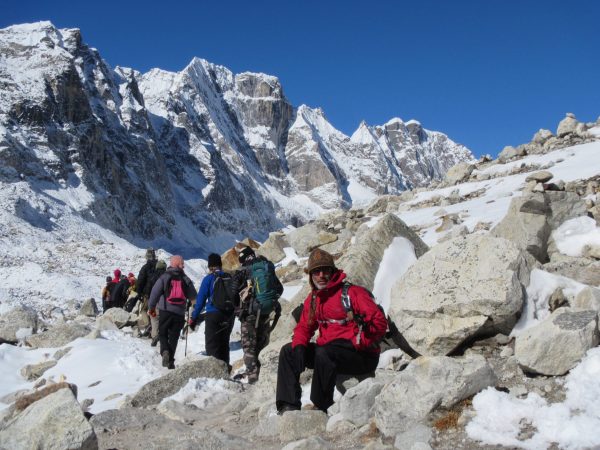
Why it matters: Nepal is home to some of the highest trekking routes in the world. Many trails, including the Everest Base Camp, Annapurna Circuit, and Manaslu Circuit, take you well above 3,000 meters. At these elevations, oxygen levels decrease, and the risk of Acute Mountain Sickness (AMS) becomes real.
Common mistake: Many trekkers overestimate their physical fitness or believe they can acclimate quickly. Some rush the itinerary without considering the necessary acclimatization days.
How to avoid it:
- Choose an itinerary with built-in acclimatization days.
- Follow the “climb high, sleep low” principle.
- Ascend gradually and avoid gaining more than 500 meters per day once above 3,000 meters.
- Drink plenty of water and avoid alcohol during the trek.
- Learn to recognize AMS symptoms: headache, nausea, dizziness, fatigue.
- Consider taking Diamox after consulting a doctor.
2. Choosing the Wrong Season
Why it matters: Nepal’s trekking conditions vary drastically with the seasons. Weather affects trail accessibility, visibility, safety, and your overall comfort.
Common mistake: Planning your trek during the monsoon (June to August) or the peak winter months (January-February) without realizing how extreme the conditions can be.
How to avoid it:
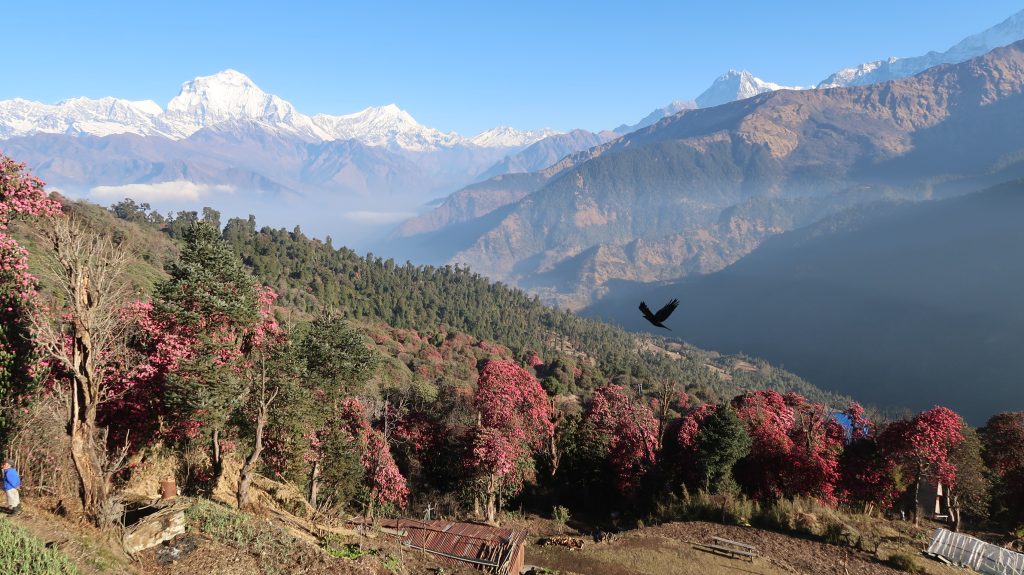
- The best seasons for trekking are spring (March-May) and autumn (September-November). These offer clear skies, pleasant temperatures, and excellent mountain views.
- Spring is great for blooming rhododendrons, while autumn boasts the clearest views.
- If you trek in off-seasons, choose lower-altitude or rain-shadow regions like Upper Mustang or Dolpo.
- Pack accordingly: waterproof gear for monsoon, thermal layers for winter.
3. Not Hiring a Licensed Guide or Porter
Why it matters: A knowledgeable guide enhances your experience by sharing local culture, navigating safely, and helping in emergencies. A porter helps you focus on the trail rather than on carrying a heavy load.
Common mistake: Some trekkers go solo to save money or seek independence, not realizing the risks involved — especially in remote regions.
How to avoid it:
- Hire a licensed guide through a registered trekking agency like Rambler Nepal Treks and Expedition.
- Check reviews or testimonials from previous trekkers.
- Having a guide is now mandatory for many popular routes (as per Nepal Tourism Board regulations since 2023).
- Porters support the local economy and make your trek physically manageable.
4. Poor Packing and Gear Choices
Why it matters: Trekking in Nepal means dealing with extreme weather conditions, varied terrains, and limited access to supplies. Packing smartly can mean the difference between comfort and misery.
Common mistake: Bringing too much or too little, packing the wrong type of clothes, or buying cheap gear that doesn’t last.
How to avoid it:
- Invest in good-quality hiking boots, a warm down jacket, thermal layers, and a proper sleeping bag (rated for -10°C or lower).
- Bring moisture-wicking base layers, fleece, windproof outerwear, and a hat/gloves.
- Include a first aid kit, water purification tablets, sunscreen, and blister care.
- Use a packing list and get advice from your trekking agency.
- Rent gear in Kathmandu or Pokhara if needed, but always test it before heading out.
5. Ignoring Travel Insurance
Why it matters: Trekking involves physical risk, altitude sickness, and unpredictable weather. In serious cases, helicopter evacuation might be the only option — and it can cost thousands of dollars.
Common mistake: Assuming regular travel insurance will cover everything, or worse, not getting insurance at all.
How to avoid it:
- Get travel insurance that specifically covers trekking at high altitudes (up to 6,000 meters).
- Make sure it includes emergency evacuation, trip cancellation, and medical coverage.
- Carry a printed copy of your insurance and share details with your guide.
- Check if your policy includes adventure sports and high-altitude trekking.
6. Overlooking Physical Preparation
Why it matters: Even moderate treks in Nepal require sustained walking for several hours a day, often on steep, rugged paths.
Common mistake: Assuming that a basic level of fitness is enough, or neglecting cardio and endurance training before the trek.
How to avoid it:
- Start preparing 6–8 weeks in advance.
- Incorporate hiking, stair climbing, and cardio workouts into your routine.
- Practice walking with a loaded backpack if you plan to carry your own gear.
- Improve your leg strength and core stability through squats, lunges, and planks.
- Consult a trainer if needed to tailor your routine for trekking.

7. Neglecting Permits and Local Regulations
Why it matters: Trekking in Nepal legally requires certain permits, depending on your route. Some areas also require a TIMS (Trekkers’ Information Management System) card or special restricted area permits.
Common mistake: Arriving without the proper documentation or going with an unregistered agency that skips legal requirements.
How to avoid it:
- Always book your trek with a government-registered company like Rambler Nepal Treks and Expedition.
- Confirm whether your trek requires a TIMS card, ACAP, MCAP, or restricted area permits (e.g., for Upper Mustang or Manaslu).
- Carry photocopies of your passport and permit at all times.
- Follow local customs and environmental regulations.
Final Thoughts
Nepal offers some of the world’s most iconic trekking experiences — but only if you’re well-prepared. By avoiding these 7 common mistakes, you can enjoy a safe, enriching, and unforgettable Himalayan adventure.
Planning a trek in Nepal doesn’t have to be overwhelming. The expert team at Rambler Nepal Treks and Expedition is here to guide you every step of the way — from choosing the right route to arranging permits and logistics.
Contact us today to start planning your dream trek in Nepal!


