Table of Contents
Introduction
Welcome to Nepal
Nepal, the land of towering peaks and spiritual tranquility, beckons adventurers from around the globe. With its rich cultural tapestry and breathtaking landscapes, Nepal offers a trekking experience unlike any other. From the bustling streets of Kathmandu to the serene trails winding through the Himalayas, this guide aims to provide you with all the information you need to embark on a memorable trekking journey.
The Magic of the Himalayas
The Himalayas, often referred to as the “abode of snow,” are home to some of the world’s highest and most awe-inspiring peaks. Trekking through these majestic mountains, you will encounter a diverse array of flora and fauna, ancient monasteries, and welcoming local communities. Whether you seek the challenge of reaching Everest Base Camp or the tranquility of exploring less-traveled paths, the Himalayas offer something for every trekker.
Why Trek in Nepal?
Nepal’s unique combination of natural beauty, cultural richness, and adventure opportunities makes it a top destination for trekkers. The country boasts a variety of trekking routes, each with its own distinct charm and challenges. From the well-trodden paths of the Annapurna Circuit to the remote valleys of Dolpo, Nepal offers an unparalleled trekking experience.
Planning Your Trek
Best Time to Trek
Nepal has two primary trekking seasons: pre-monsoon (March to May) and post-monsoon (September to November). These periods offer stable weather, clear skies, and comfortable temperatures. However, certain routes can be trekked year-round, each season providing a different perspective of the landscape.
Choosing the Right Trek
Selecting the right trek depends on your interests, fitness level, and the amount of time you have available. Consider whether you prefer a popular route with well-established infrastructure or a remote trail that offers solitude and unspoiled nature.
Obtaining Permits
Trekking in Nepal requires various permits, depending on the region you plan to explore. Common permits include the TIMS (Trekkers’ Information Management System) card, and specific area permits such as the Annapurna Conservation Area Permit (ACAP) and the Sagarmatha National Park Permit. Ensure you obtain all necessary permits before starting your trek.
Check the Weather Before You Trek
Weather in the Himalayas can change rapidly, making it essential to stay updated before and during your trek. Accurate forecasts help you pack right, plan your days, and avoid potential weather-related delays.
We recommend using Mountain Forecast for detailed and reliable weather updates in popular trekking regions like Everest Base Camp, Annapurna Base Camp, Langtang, and more.
Health and Safety
Trekking at high altitudes can pose health risks such as altitude sickness. It’s crucial to acclimatize properly, stay hydrated, and recognize the symptoms of altitude sickness. Additionally, ensure you are physically prepared for the demands of trekking and carry a well-stocked first aid kit.
Essential Gear and Packing List
Clothing
- Base layers (thermal tops and bottoms)
- Insulating layers (fleece jacket, down jacket)
- Outer shell (waterproof and windproof jacket and pants)
- Trekking pants and shorts
- Moisture-wicking t-shirts
- Warm hat, gloves, and socks
Footwear
- Sturdy trekking boots with ankle support
- Comfortable trekking shoes or sandals for evenings
- Gaiters (optional for snow or wet conditions)
Camping and Cooking Gear
- Tent (if not staying in teahouses)
- Sleeping bag (rated for low temperatures)
- Sleeping pad or mat
- Portable stove and cooking utensils
- Water purification tablets or filter
Miscellaneous Items
- Trekking poles
- Backpack (50-70 liters)
- Daypack (20-30 liters)
- Headlamp with extra batteries
- Sunglasses and sunscreen
- Personal hygiene items
Packing Tips
Pack light but ensure you have all essentials. Consider the weight of your gear and the duration of your trek. Use packing cubes or dry bags to organize your items and keep them dry.
Popular Trekking Trails
Everest Base Camp Trek
The Everest Base Camp Trek is a bucket-list journey for many trekkers. It offers stunning views of Everest and other towering peaks, as well as an opportunity to experience the culture of the Sherpa people. The trek typically takes around 12-14 days, starting from Lukla and passing through Namche Bazaar, Tengboche, and Dingboche before reaching the base camp.
Annapurna Circuit
The Annapurna Circuit is renowned for its diverse landscapes, ranging from lush subtropical forests to arid high-altitude deserts. This trek takes approximately 15-20 days and includes the challenging Thorong La Pass (5,416 meters). Highlights include the stunning views of Annapurna and Dhaulagiri, as well as the charming villages of Manang and Marpha.
Langtang Valley Trek
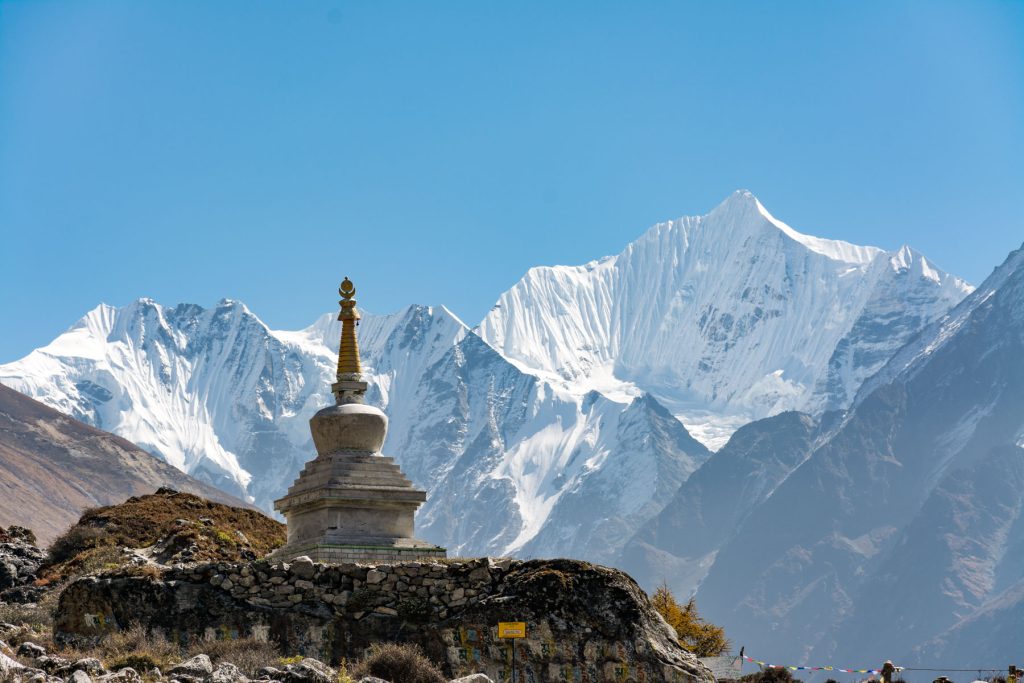
The Langtang Valley Trek is ideal for those seeking a shorter and less crowded trekking experience. This trek offers beautiful valley views, rich flora and fauna, and the chance to explore the cultural heritage of the Tamang people. The trek typically takes 7-10 days, starting from Syabrubesi and leading to Kyanjin Gompa.
Manaslu Circuit Trek
The Manaslu Circuit Trek is a challenging and remote trek that circumnavigates Mount Manaslu, the eighth highest peak in the world. This trek offers stunning mountain vistas, cultural insights into the Tibetan-influenced communities, and a sense of adventure. The trek takes around 14-18 days and requires a special permit.
Gosaikunda Lake Trek
The Gosaikunda Lake Trek is a sacred journey to the high-altitude lakes of Gosaikunda, considered holy by Hindus and Buddhists. This trek can be completed in 5-7 days and offers breathtaking views of the Langtang and Ganesh Himal ranges. The trek starts from Dhunche and passes through Lauribina La before reaching the serene lakes.
Kanchenjunga Base Camp Trek
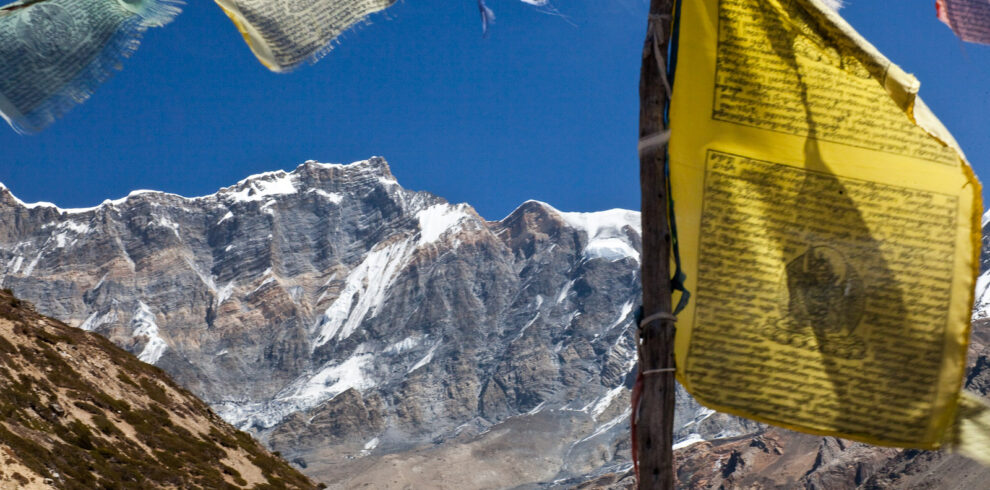
The Kanchenjunga Base Camp Trek is an adventurous trek to the base of the third highest peak in the world. This trek offers remote trails, pristine landscapes, and a glimpse into the traditional lifestyles of the local communities. The trek takes around 20-24 days and requires a special permit.
Mustang Trek
The Mustang Trek takes you to the remote and mystical region of Upper Mustang, often referred to as the “Last Forbidden Kingdom.” This trek offers unique desert landscapes, ancient monasteries, and a rich cultural experience. The trek typically takes 12-14 days, starting from Jomsom and leading to the walled city of Lo Manthang.
Dolpo Region Trek
The Dolpo Region Trek is a challenging and off-the-beaten-path trek that explores the remote and culturally rich region of Dolpo. This trek offers dramatic landscapes, ancient Bon monasteries, and a chance to experience the traditional Tibetan lifestyle. The trek takes around 18-25 days and requires a special permit.
Hidden Gems and Off-the-Beaten-Path Treks
Nar Phu Valley Trek
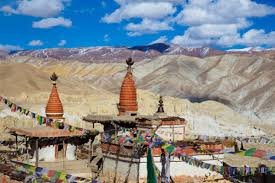
The Nar Phu Valley Trek takes you to the hidden valleys of Nar and Phu, offering a unique cultural experience and stunning mountain views. This trek is ideal for those seeking solitude and adventure. The trek typically takes 9-12 days, starting from Koto and passing through Nar and Phu villages.
Makalu Base Camp Trek
The Makalu Base Camp Trek is a challenging and remote trek to the base of Mount Makalu, the fifth highest peak in the world. This trek offers pristine landscapes, diverse flora and fauna, and a sense of wilderness. The trek takes around 20-22 days and requires a special permit.
Rara Lake Trek
The Rara Lake Trek takes you to the stunning Rara Lake, the largest lake in Nepal. This trek offers beautiful landscapes, rich biodiversity, and a tranquil experience. The trek typically takes 10-12 days, starting from Jumla and leading to Rara Lake.
Mardi Himal Trek
The Mardi Himal Trek is a relatively new and less crowded trek that offers stunning views of the Annapurna range


