
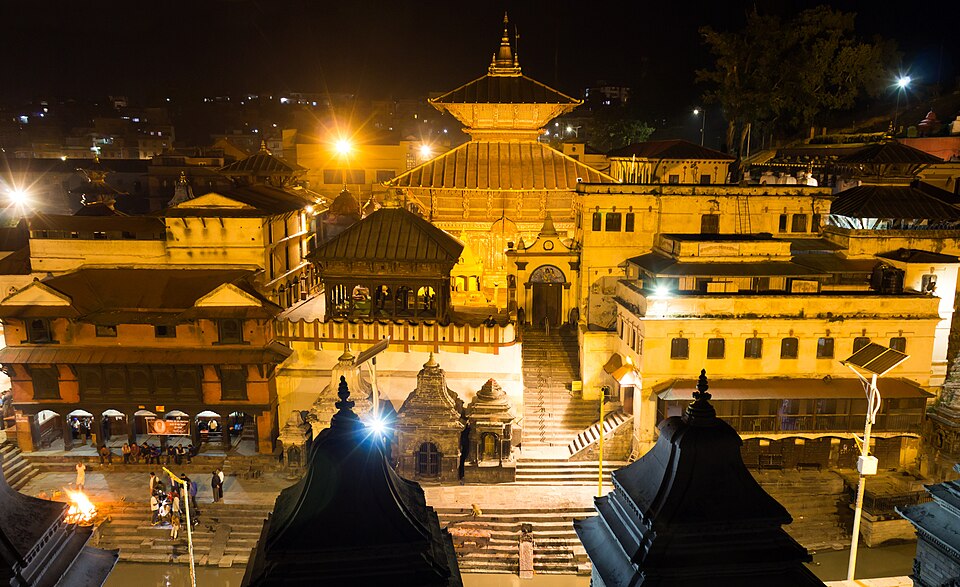
Maha Shivaratri, meaning “The Great Night of Shiva,” is one of the most significant Hindu festivals dedicated to Lord Shiva. It is observed annually on the 14th night of the lunar month of Phalguna or Magha (February–March), according to the Hindu calendar. Unlike many other Hindu festivals that are celebrated during the day, Maha Shivaratri is marked with night-long vigils, fasting, prayers, and meditation, symbolizing devotion, self-discipline, and spiritual awakening.
Significance of Maha Shivaratri
Maha Shivaratri holds deep religious and spiritual significance in Hinduism. It is believed that on this night, Lord Shiva performed the cosmic dance of creation, preservation, and destruction. Another popular belief states that Maha Shivaratri is the wedding night of Lord Shiva and Goddess Parvati, making it an auspicious occasion for devotees to seek marital bliss and prosperity.
According to Hindu scriptures, Maha Shivaratri is also considered the day when Lord Shiva saved the world by drinking the deadly poison, Halahala, which emerged from the churning of the ocean (Samudra Manthan). To prevent the poison from spreading in his body, Shiva held it in his throat, which turned blue, earning him the name “Neelkanth” (the Blue-Throated One). This act symbolizes the power of sacrifice and endurance.
Rituals and Celebrations
Devotees observe Maha Shivaratri with great devotion through various rituals and customs:
- Fasting and Penance – Many devotees observe a strict fast, consuming only fruits, milk, and non-grain foods. Some even observe a complete Nirjala (waterless) fast, believing it helps purify the mind and body.
- Night-Long Vigils (Jagran) – Temples remain open throughout the night, and devotees engage in chanting hymns, singing devotional songs (bhajans), and meditating on Lord Shiva. Staying awake symbolizes overcoming ignorance and achieving enlightenment.
- Rudra Abhishek (Holy Bath of Shiva Lingam) – The Shiva Lingam, a representation of Lord Shiva, is bathed with sacred offerings such as milk, honey, ghee, yogurt, and water. Bel leaves (Bilva patra) are also offered, as they are believed to be particularly dear to Lord Shiva.
- Chanting of “Om Namah Shivaya” – Devotees repeatedly chant the powerful mantra “Om Namah Shivaya” to seek Shiva’s blessings for peace, prosperity, and liberation from worldly suffering.
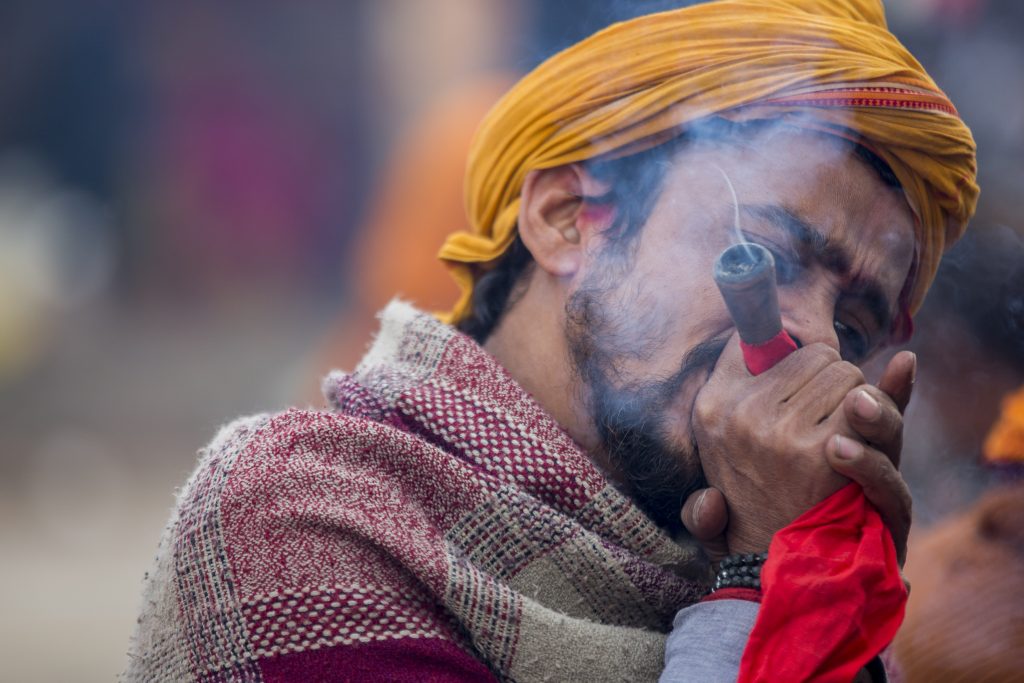
- Temple Visits and Pilgrimages – Major Shiva temples, such as the Pashupatinath Temple in Nepal, Kashi Vishwanath in Varanasi, and Somnath in Gujarat, attract thousands of devotees. The Pashupatinath Temple in Kathmandu witnesses an influx of sadhus, ascetics, and devotees from around the world, who gather to celebrate this grand occasion.
Spiritual and Cultural Importance
Maha Shivaratri is not just a religious festival but also a night of deep spiritual significance. It is believed that meditating on this sacred night leads to self-realization and liberation (moksha). Many followers of Yoga and Tantra consider it the most powerful night for inner transformation.
Beyond its spiritual meaning, Maha Shivaratri fosters cultural unity as people from different backgrounds come together to celebrate devotion, faith, and the triumph of good over evil.
Every year, thousands of devotees and sadhus from across South Asia gather at the sacred Pashupatinath Temple in Kathmandu to celebrate Maha Shivaratri. To learn more about temple events, rituals, and preparations, visit the official site of the Pashupatinath Area Development Trust (PADT).
For more information feel free to contact us via this website.


