
Table of Contents
Every August, Nepal bursts into a tapestry of colors, chants, and age-old traditions during Janai Purnima festival that blends spirituality, family bonds, and the rich cultural diversity of the Himalayan nation. Known for its intricate rituals, mythical legends, and joyous gatherings, Janai Purnima offers visitors a chance to witness Nepal’s living heritage up close.
In 2025, Janai Purnima falls on August 9, coinciding with the full moon of the Hindu month of Shravan (July–August). Whether you’re trekking through the lush monsoon trails or exploring the ancient temples of Kathmandu, this festival is a window into Nepal’s timeless soul.
What is Janai Purnima?
The name Janai Purnima literally means “Sacred Thread Full Moon.” For Hindu men, particularly of the Brahmin and Chhetri communities, this day marks the annual renewal of the Janai — a sacred white thread worn across the chest as a symbol of purity, spiritual commitment, and responsibility.
But Janai Purnima isn’t limited to religious vows alone. Across Nepal, it’s also the day of Rakshya Bandhan, where priests tie colorful raksha sutra (protective threads) around people’s wrists, invoking blessings for health, courage, and protection from evil.
The Rituals of Janai Purnima 2025
1. Sacred Bathing
Devotees wake up early and head to rivers, ponds, and holy springs for ritual baths believed to cleanse sins and renew spiritual energy. Some of the most famous pilgrimage sites include:
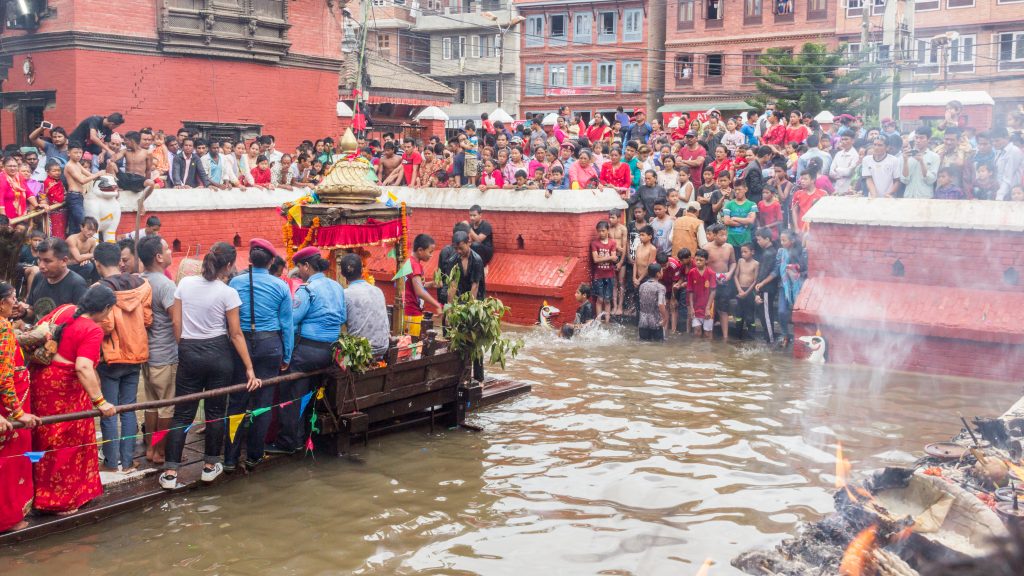
- Gosaikunda Lake in Langtang National Park – A high-altitude sacred lake at 4,380m, attracting thousands of pilgrims who trek for days to take a holy dip.
- Kumbheshwar Temple in Patan – Its pond is believed to be connected to Gosaikunda by an underground channel.
- Bagmati River at Pashupatinath – A central location for devotees in Kathmandu.
2. Changing the Janai
Hindu men who have undergone the Bratabandha (sacred thread initiation) replace their old Janai with a fresh one, symbolizing renewed vows of honesty, purity, and dedication to religious duties.
3. Rakshya Sutra Ceremony
Priests tie a protective thread around people’s wrists, chanting mantras for protection from negativity. The thread is worn until Laxmi Puja in October, when it’s removed and tied to the tail of a cow to aid the soul in crossing the mythical Baitarni River after death.
Legends Behind the Festival
Janai Purnima is woven with fascinating legends:
- The Tale of Vishnu and Rakshya Sutra – According to mythology, Lord Vishnu gave a sacred thread to Indra, king of the gods, to protect him in battle against demons.
- Gosaikunda Creation Story – In the churning of the cosmic ocean (Samudra Manthan), Lord Shiva drank poison to save the universe and thrust his trident into the Himalayas, creating Gosaikunda Lake to quench his thirst.
- Yama and Raksha Bandhan – Some tales link Janai Purnima to the bond between Yama, the god of death, and his sister Yamuna, emphasizing sibling love and protection.
A Festival for All Communities
While Janai Purnima has strong roots in Hindu tradition, it’s celebrated by various ethnic groups in their own styles:
- Newar Community – Kwati Punhi
In Kathmandu Valley, the day is also Kwati Punhi, when families prepare kwati, a nourishing soup made of nine sprouted beans. This hearty dish is believed to restore health during the monsoon season. - Tamang, Sherpa, and Gurung Communities
In mountain regions, Janai Purnima coincides with Gunla, a Buddhist holy month. Monks chant scriptures, and devotees make offerings at monasteries.
Experiencing Janai Purnima as a Traveler
If you’re visiting Nepal in August 2025, Janai Purnima is a cultural spectacle you shouldn’t miss. Here’s how you can immerse yourself in the magic:
- Visit Pashupatinath Temple – Witness the colorful gatherings of devotees taking ritual baths and changing their Janai.
- Join the Kwati Feast – Taste this traditional bean soup in a Newar household or local restaurant in Kathmandu.
- Trek to Gosaikunda – Combine spirituality with adventure by joining the Gosaikunda Trek, timing your arrival to coincide with the festival’s peak.
- Explore Patan’s Kumbheshwar Temple – Watch the rituals at its sacred pond and enjoy the vibrant street markets.
Travel Tips for Janai Purnima 2025
- Book Early – Pilgrimage sites like Gosaikunda see a huge influx of travelers; accommodations can fill up quickly.
- Carry Rain Gear – August is still monsoon season, so waterproof clothing and sturdy shoes are a must.
- Respect Rituals – Photography is welcome in many public spaces, but always ask before taking close-up shots of rituals or individuals.
- Try Local Foods – Don’t miss kwati soup, sweet treats, and monsoon-season fruits sold in the markets.
Why Janai Purnima is Special
Janai Purnima is more than a religious observance—it’s a celebration of renewal, protection, and unity. It bridges Nepal’s diverse cultures, blending Hindu, Buddhist, and indigenous traditions into one vibrant day.
For travelers, it’s a rare opportunity to see Nepal’s spirituality in action, hear the ancient chants echo through temple courtyards, taste time-honored dishes, and walk alongside pilgrims on age-old routes. Whether you’re a cultural enthusiast, a trekking adventurer, or a photographer seeking authentic moments, Janai Purnima 2025 promises an unforgettable experience.
If you’re curious to explore more about the historical and cultural roots of this sacred celebration, you can check out the detailed overview of Janai Purnima on Wikipedia.
Join us at Rambler Nepal Treks and Expeditions to make your August journey in Nepal truly special. From the sacred heights of Gosaikunda to the bustling streets of Kathmandu, we’ll guide you through the heart of Janai Purnima—where legends live, prayers rise, and the Himalayas watch over in timeless grace.
Contact Us for more information


