
Nepal is a land of breathtaking mountains, rich history, and profound spiritual traditions. Among its many vibrant festivals and cultural events, two stand out for their deep religious and ethnic significance — Buddha Jayanti and Ubhauli. These festivals, though distinct in their origin and celebration, highlight Nepal’s spiritual diversity, unity, and the deep-rooted connection between its people and nature. Whether you’re a traveler seeking cultural immersion or a spiritual explorer tracing ancient wisdom, experiencing Buddha Jayanti and Ubhauli in Nepal offers a window into the heart of the Himalayas. To explore more about his life and legacy, you can visit this detailed biography on Britannica.
Table of Contents
Buddha Jayanti: Honoring the Light of the World
Buddha Jayanti, also known as Buddha Purnima, commemorates the birth, enlightenment, and death (Mahaparinirvana) of Siddhartha Gautama, the founder of Buddhism, more than 2,600 years ago. This sacred day falls on the full moon day of Baisakh (April–May), according to the Nepali lunar calendar.
Historical and Spiritual Background
Siddhartha Gautama was born in Lumbini, a serene village in the Rupandehi district of southern Nepal, around the 6th century BCE. At the age of 29, he renounced worldly life in search of truth and attained enlightenment under the Bodhi tree in Bodh Gaya, India. He spent the rest of his life spreading the teachings of non-violence, compassion, and mindfulness, becoming the Buddha — “the awakened one.”
The significance of Buddha Jayanti lies not only in honoring a historical figure but in reflecting on his teachings that remain universally relevant: peace, ethical living, and liberation from suffering.
How Buddha Jayanti is Celebrated in Nepal
Nepal, being the birthplace of the Buddha and home to a significant population of Buddhists and spiritual seekers, observes Buddha Jayanti with immense devotion.
- Lumbini: The Epicenter of Celebrations
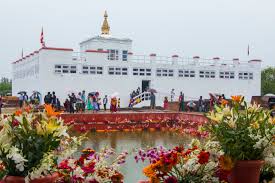
Pilgrims from across the world, especially from Buddhist countries like Thailand, Sri Lanka, Myanmar, Japan, and Bhutan, visit Lumbini to pay homage. The Maya Devi Temple, sacred gardens, Ashokan Pillar, and monastic zones buzz with prayers, rituals, and cultural programs. - Swayambhunath and Boudhanath Stupas in Kathmandu
In the capital city, major Buddhist sites like Swayambhunath (Monkey Temple) and Boudhanath Stupa are adorned with colorful prayer flags and butter lamps. Devotees circumambulate the stupas while chanting mantras, spinning prayer wheels, and offering flowers and incense. - Dharma Talks and Alms Giving
Buddhist monks and scholars deliver public teachings on the Dhamma (Buddhist philosophy), focusing on the Four Noble Truths and the Eightfold Path. Followers offer alms and food to monks and the needy, embodying the Buddha’s teachings of generosity and compassion.
Travel Experience during Buddha Jayanti
Visiting Nepal during Buddha Jayanti offers a spiritually enriching experience. It’s a time when Lumbini, one of Nepal’s most sacred pilgrimage sites and a UNESCO World Heritage Site, transforms into a global hub of peace and harmony. Tourists can witness rituals from different Buddhist traditions, join peace marches, and even participate in meditation retreats and mindfulness programs.
Ubhauli: The Kirat Festival of Migration and Gratitude
While Buddha Jayanti is celebrated by Buddhists across Nepal, Ubhauli is a major festival of the Kirat community, particularly the Rai, Limbu, Sunuwar, and Yakkha ethnic groups. It marks a time of upward seasonal migration — hence the name “Ubhauli” meaning “going uphill” — and is deeply tied to nature, agriculture, and ancestral worship.

Cultural Background of Ubhauli
The Kirat people are believed to be the indigenous inhabitants of eastern Nepal. Their way of life is closely tied to nature and the rhythms of the land. They follow a nature-worshipping belief system called “Kirat Mundhum,” which is based on oral tradition, animism, and shamanistic practices.
Ubhauli is celebrated in Baisakh (April–May), at the start of the agricultural season when Kirati communities living in the lower valleys prepare to move uphill with their livestock and farming tools, avoiding the scorching summer heat.
How Ubhauli is Celebrated

- Sakela Dance (Chandi Naach)
The heart of the celebration is the Sakela or Chandi dance, where men and women dress in traditional attire and perform synchronized movements in a circle, led by a “Silimappa” (male leader) and “Silimamma” (female leader). The dance represents different aspects of nature and farming — sowing seeds, plowing, and praying for rain and harvest. - Rituals and Offerings
The Kiratis worship nature deities like Tagera Ningwaphuma and pay homage to ancestors through rituals conducted by a “Nakchhong” (shaman). Prayers are offered for a good harvest, protection from natural calamities, and harmony in the community. - Food and Feasting
Traditional delicacies such as Wachipa (spiced rice with chicken and herbs), Sinki (fermented vegetables), and Tongba (millet beer) are shared among families and neighbors. It is a time for unity, storytelling, and cultural pride.
Tourism Opportunities during Ubhauli
Ubhauli offers a unique opportunity for visitors to witness the living culture of Nepal’s indigenous people. Eastern regions like Dhankuta, Bhojpur, and Ilam are ideal for immersive cultural travel during this time. Travelers can stay in homestays, participate in local festivals, learn about Kirat traditions, and even try their hand at Sakela dance.
Why Buddha Jayanti and Ubhauli Festivals Matter for Travelers
Experiencing Buddha Jayanti and Ubhauli gives visitors a deeper connection with Nepal’s spiritual landscape and cultural diversity. These festivals are not just about rituals; they are about storytelling, collective memory, and the harmonious relationship between humans, nature, and the cosmos.
Here’s why cultural travelers should consider planning their Nepal trip during these times:
- Spiritual Insight: For those seeking mindfulness and meditation, Buddha Jayanti provides an excellent setting to explore Buddhism in its birthplace, attend spiritual discourses, or take part in meditation retreats in Lumbini.
- Cultural Immersion: Ubhauli is ideal for travelers looking for authentic, off-the-beaten-path experiences. Engaging with Kirat communities, dancing to the beat of the Dhol and Jhyamta (traditional instruments), and learning about their nature-worship practices offer unforgettable cultural interactions.
- Ethical and Sustainable Tourism: Participating in these festivals supports local economies, preserves indigenous cultures, and encourages respectful and responsible tourism.
Rambler Nepal Treks and Expedition: Your Gateway to Culture and Adventure
At Rambler Nepal Treks and Expedition, we believe that travel should nourish both the soul and the senses. We offer custom cultural tours and trekking packages that align with Nepal’s major festivals, including Buddha Jayanti and Ubhauli. Whether you want to meditate under the Bodhi tree in Lumbini or celebrate Sakela with Kirat villagers in the hills of Eastern Nepal, we can craft a journey that combines adventure, spirituality, and authentic local experiences.
Our expert guides come from diverse cultural backgrounds and provide insightful storytelling, respectful cultural mediation, and safe, immersive travel experiences.
Final Thoughts
Nepal’s festivals are vibrant expressions of its people’s beliefs, history, and connection to the land. Buddha Jayanti teaches the world about peace and enlightenment, while Ubhauli reminds us of our responsibility to nature and community. By participating in these unique celebrations, travelers not only witness the magic of Nepal but also become part of its living traditions.
So, as you plan your next journey into the Himalayas, consider aligning your trip with these profound events — because in Nepal, every festival is a story, every ritual a lesson, and every step an adventure.
Plan Your Cultural Journey with Us
Ready to experience the soul of Nepal through its most sacred festivals? Join us at Rambler Nepal Treks and Expedition for a guided cultural adventure during Buddha Jayanti or Ubhauli. Whether you’re seeking spiritual insight in Lumbini or a lively village celebration in eastern Nepal, we offer personalized tours that blend local traditions with scenic exploration. Contact us today to customize your trip or learn more about our festival travel packages.


