Introduction: The Journey to the Roof of the World
The Everest Base Camp (EBC) trek isn’t just a hike; it’s an odyssey into the heart of the Himalayas. Towering peaks, ancient monasteries, and vibrant Sherpa culture await those daring enough to venture to the foot of the world’s tallest mountain. This ultimate guide will take you through every step of the journey, ensuring you’re well-prepared to conquer one of the most iconic treks on Earth.
Why Trek to Everest Base Camp?
The allure of Everest has drawn adventurers for decades. While summiting the peak remains a challenge for the elite, the trek to Base Camp offers a more accessible taste of this legendary mountain. Beyond the breathtaking scenery, you’ll experience the spiritual energy of the Khumbu Valley, where Buddhism and mountaineering intertwine.
Best Time to Trek
Timing is crucial. The best seasons for the EBC trek are pre-monsoon (March to May) and post-monsoon (September to November). During these periods, the weather is more stable, and the skies are clearer, offering unobstructed views of Everest and its neighboring giants.
To check real-time weather forecasts in the Everest region, visit Mountain Forecast – Everest Base Camp.
Route Overview
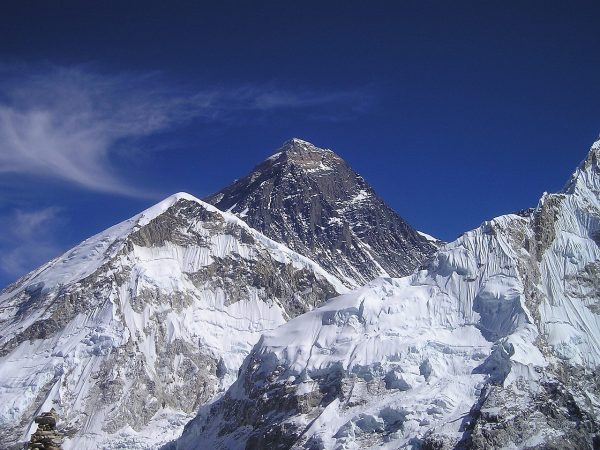
Your adventure begins with a flight to Lukla, one of the world’s most thrilling airstrips. From there, you’ll trek through charming villages like Phakding and Namche Bazaar, the bustling Sherpa capital. The route then leads through Tengboche, home to a famous monastery, and Dingboche, where you’ll acclimatize with panoramic mountain views. The final ascent takes you to Gorak Shep, the last stop before reaching Everest Base Camp itself. The trek culminates with a hike up Kala Patthar for a sunrise view of Everest that will leave you breathless.
Physical and Mental Preparation
The EBC trek is a test of endurance, requiring both physical fitness and mental resilience. Training should begin at least 3-4 months before your departure, focusing on cardiovascular fitness, strength training, and hiking practice. Mental preparation is equally important—embrace the challenge, stay positive, and be prepared for the unpredictability of mountain weather.
Acclimatization: The Key to Success
Altitude sickness is a serious concern on the EBC trek. Proper acclimatization is essential to avoid Acute Mountain Sickness (AMS). The trek is designed with acclimatization days in Namche Bazaar and Dingboche, allowing your body to adjust to the thinning air. Stay hydrated, take it slow, and listen to your body.
What to Pack
Packing smart is crucial. Essentials include warm clothing, a sturdy pair of trekking boots, a quality sleeping bag, and a down jacket. Don’t forget sun protection—UV rays are intense at high altitudes. A first aid kit with altitude sickness medication, snacks for energy, and a reliable water purification method are also must-haves.
The Cultural Experience
The EBC trek is as much about cultural immersion as it is about the mountains. The Sherpa people, with their rich traditions and warm hospitality, add a unique dimension to your journey. Visit monasteries, spin prayer wheels, and learn about the spiritual significance of the mountains to the local communities.
Challenges on the Trek
The EBC trek isn’t without its challenges. The rugged terrain, unpredictable weather, and high altitude can be demanding. Be prepared for long days of trekking, cold nights, and the occasional bout of altitude-related discomfort. But with every challenge comes the reward of standing in the shadow of Everest.
Responsible Trekking
Respect the environment and local culture. The Khumbu region is fragile, and the impact of tourism is significant. Follow the Leave No Trace principles—carry your trash, stick to established trails, and avoid disturbing wildlife. Support local businesses and respect the customs of the Sherpa people.
Reaching Everest Base Camp
Finally, after days of trekking, you’ll reach Everest Base Camp at 5,364 meters (17,598 feet). Here, surrounded by towering icefalls and prayer flags fluttering in the wind, you’ll feel a profound sense of achievement. Take in the moment—it’s one that will stay with you for a lifetime.
Post-Trek Reflections
The journey doesn’t end at Base Camp. As you descend back to Lukla, take time to reflect on your adventure. The EBC trek is a transformative experience, pushing your limits and leaving you with memories that will inspire long after you’ve returned home.
Conclusion: Your Everest Awaits
Trekking to Everest Base Camp is more than just a physical journey—it’s a spiritual pilgrimage to the foot of the world’s highest peak. Whether you’re drawn by the challenge, the culture, or the sheer beauty of the Himalayas, this guide will help you every step of the way. Prepare well, trek responsibly, and embrace the adventure of a lifetime. Everest is calling—will you answer?
This guide is designed to inspire and equip you for the Everest Base Camp trek, blending practical advice with the wonder and mystique that draws trekkers to this legendary route.


